Computational Geophysics
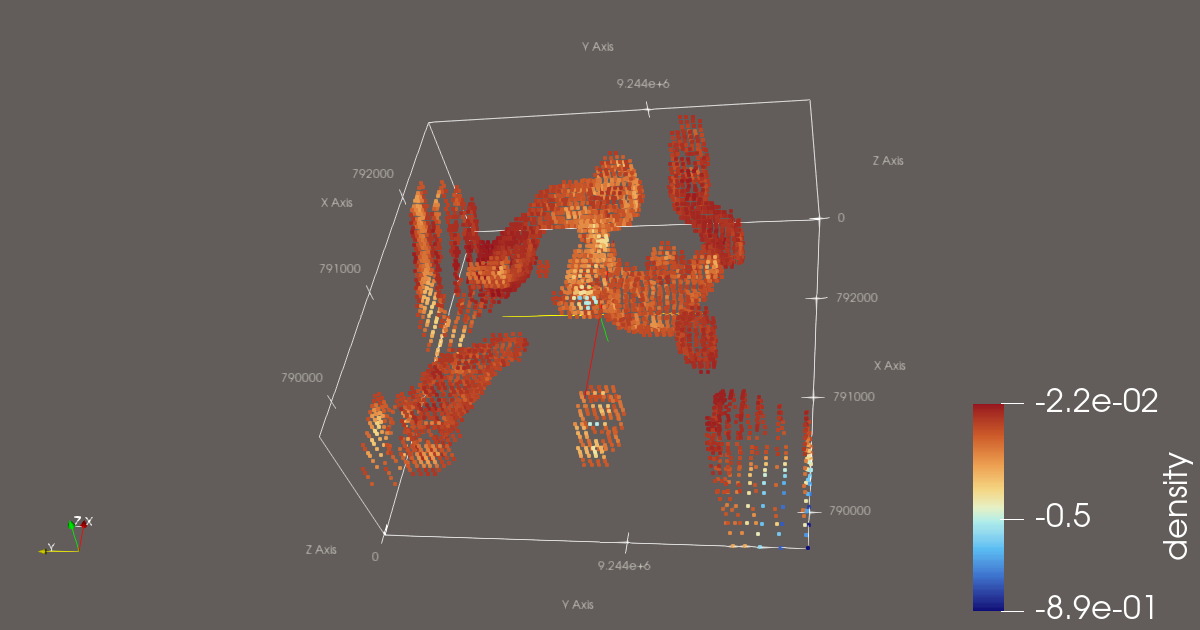
Development and application of numerical and computational approaches for geophysical modeling, numerical analysis, large-scale data processing, big data, and parallel computation.
Research interests and activities.
My research focuses on the development and application of geophysical methods for investigating subsurface structures and understanding geological processes. My work combines geophysical theory, numerical computation, field observations, data science, and quantitative analysis.
I am particularly interested in computational approaches, potential-field methods, geophysical data processing, subsurface characterization, and the application of emerging computational techniques to geophysical problems.
Development and application of numerical and computational approaches for geophysical modeling, numerical analysis, large-scale data processing, big data, and parallel computation.
Application and development of gravity and geomagnetic methods for investigating subsurface structures, geological processes, and variations in physical properties.
Potential-field modeling and analysis, including gravity forward modeling, anomaly analysis, regional-residual separation, derivative analysis, and quantitative interpretation.
Application of electrical and electromagnetic methods, including electrical resistivity and induced polarization (IP), for subsurface characterization and geological investigation.
Processing, quantitative analysis, and interpretation of geophysical data, with emphasis on data quality, anomaly extraction, data-driven analysis, and computational workflows.
Development of subsurface models to characterize geological structures and physical-property variations using geophysical observations and numerical modeling.
Exploration of artificial intelligence and machine learning approaches for geophysical data analysis, pattern recognition, modeling, and interpretation.